
Table For One
With the rise of GLP-1 usage, I'm starting to wonder if I'll be the only person dining next fashion week.

Fashion has always glorified thinness. For this reason, I’ve felt like an interloper being a POC and a regular size 10 and not always fitting sample size.
Within the industry, I’ve often gravitated towards the people who are as enthusiastic as I am about food and cooking.
This London Fashion Week, I was reunited with many of these “fashion friends”. It was apparent to me that many of them were now on GLP-1s. Everyone was a little slimmer—some were a size or two down, others had lost so much weight they were barely recognisable.
From designers to buyers, to journalists and PR directors and their assistants, the pen was democratising thinness (if you can afford it). Fashion dipped its skinny toes in inclusive casting for a few years; but mirroring the cultural backlash in woke-ness, diversity on the runway is now becoming a rarity.
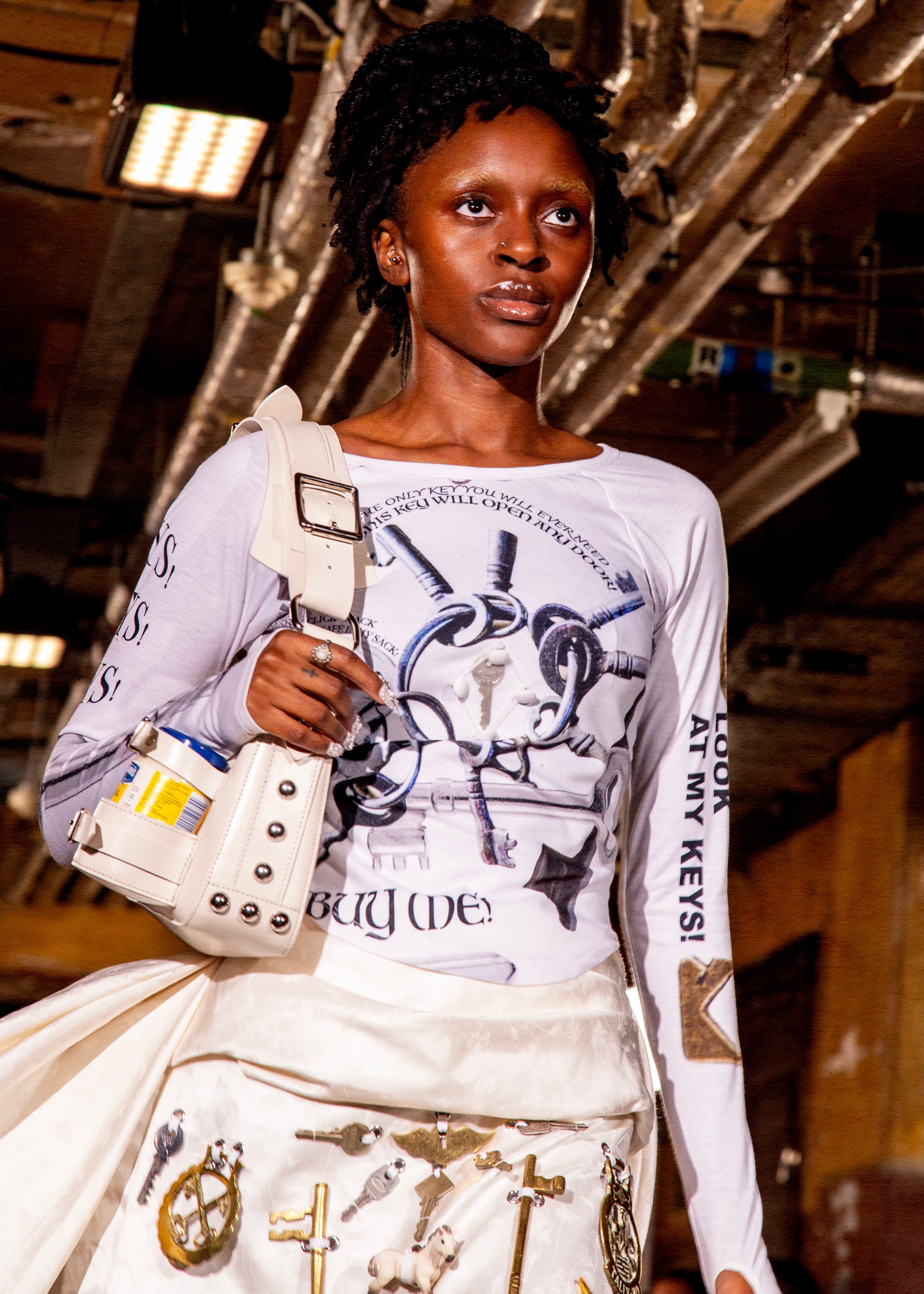
I saw more than 20 catwalks shows this LFW and only recall Chopova Lowena’s casting as inclusive. This is probably because they’ve often used friends of the brand (from Alex Kessler to SSENSE buyers) to walk their runways. This season, Indonesian food champion, Spoons stomped down the runway, looking every bit the Chopova Lowena girl (In a case of face blindness, I didn’t realise until I saw her the next day).
But it wasn’t the lack of diversity on runways that I started to feel othered. It was at a restaurant.
Where dining together was once a joy—an opportunity to sit down after a long day of running around between shows to eat, drink and laugh together, it is now forced and awkward especially when your companions aren’t ready to acknowledge the elephant/pen ele-pen in the room.
The world of fashion and food have often collided. This is not new. From the high-low mash up of MacDonalds and its various collaborations to Chopova Lowena’s Hellman’s collaboration for SS25.
Junya Watanabe featured cult London restaurants St John’s and my local, Max’s Sandwich in his collections. Carrying on in the vein of IYKYK, Burberry took over North London cafe, Norman’s (now closed) during LFW. And at last LFW, Barbour x Alexa Chung hosted an intimate dinner at the most hyped restaurant in my neighbourhood, Tollington’s Fish Bar.
Designers and brands recognise the value in investing in hospitality. Food has become the new lipstick: a new way for consumers to buy into a brand and its universe. From Ralph’s Coffee to Bar Luce (designed by Wes Anderson creating a fashion x food x film x art mash up) to Anya Cafe with its signature goggly-eyed cakes. This year, Vogue, in partnership with Nike took over every gourmand’s dream of a shop, The Corner Shop at 180 Strand.
In a world where being multi-hyphenated is celebrated, talented creative directors like Laura Kim share pretty recipes and pastry chefs moonlight as models too, as in the case of Louis Thompson. The two worlds continue to spin around each other.
The thing is, despite its obsession with cake, fashion is fat-phobic. Like anyone with an eating disorder, the industry is obsessed with food; just not in the act of eating.
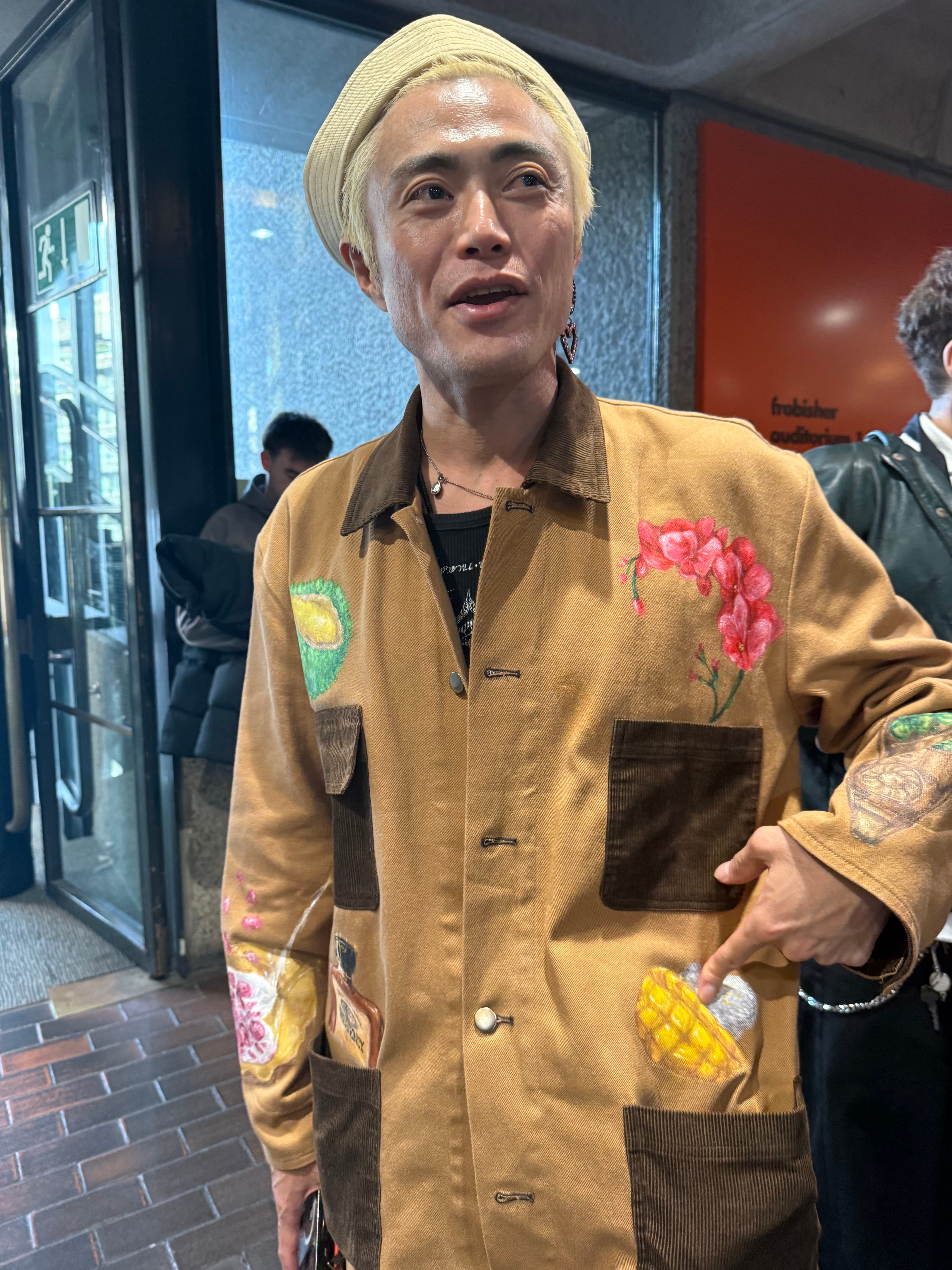
This LFW, I couldn’t help but notice how food was everywhere. It was worn as a motif, as in the case of Yu Masui attending HARRI’s show at The Barbican. - his jacket featured some of his favourite food: durian, sticky rice with mango and som tam.
I thought of the handbags with names that belonged on menus and in bakeries: Lemaire’s Croissant bags, Fendi’s Onigiri bag and JW Anderson’s Victoria Sponge clutch.


At The Ouze’s debut presentation, daily scenes were used to great effect for the audience to discover his silver works. Toby Vernon set his jewellery next to groceries— a link bracelet hung on a fridge shelf, a chunky ring next to a bag of potatoes. A dining table, after a dinner party with little silver objects found amongst the half drunk wine and a cut cake.


Maximilian Raynor kicked off LFW. His catwalk in a dark and dingy space in Shoreditch. Guests walked past displays of his sunglasses, a collaboration with Komono atop cakes. But the cherry on top icing on the cake was the cherry dress at Dilara Findikoglu. The show ran almost 75 minutes late and was held at The Ironmonger’s Hall, an interesting building with a Medieval castle entrance and Gothic stained glass windows. When the model walked out in this dress, everyone gasped. It was a no-brainer to use cherries to convey the power of feminine sexuality.
The theme continued in Milan Fashion Week at Moschino. The collection included models holding bags in the shape of trays of apples (straight from the supermarket and sparking a memory of Karl Lagerfeld’s Chanel’s AW24 show set in an imaginary Chanel supermarket) and a stock pot (who needs to cook anymore?).


It is no surprise that there is an affinity between fashion and food. They share a lot of common ground. Both industries rely on consumerism.
In haute couture and haute cuisine, there is also the added emphasis on craftsmanship and a focus on artisan products. Seasonality influences what ends up on plates and in collections.
While appetites shrink, food continues to spill over into fashion. I don’t know if the industry is starting to fetishise food more because people are eating less or if I’m noticing the disparity between the use of food in fashion and how little the people in the industry are actually consuming.
With GLP-1s becoming available in tablet form soon, I wonder if it’s going to be table for one next fashion week?
It’s almost like the Emperors new clothes. It feels like food on display is trying to trick everyone into believing that food is being consumed. I’m hungry just thinking about it!